HOW TO BALANCE MEAT AND VEGETABLES IN YOUR DIET
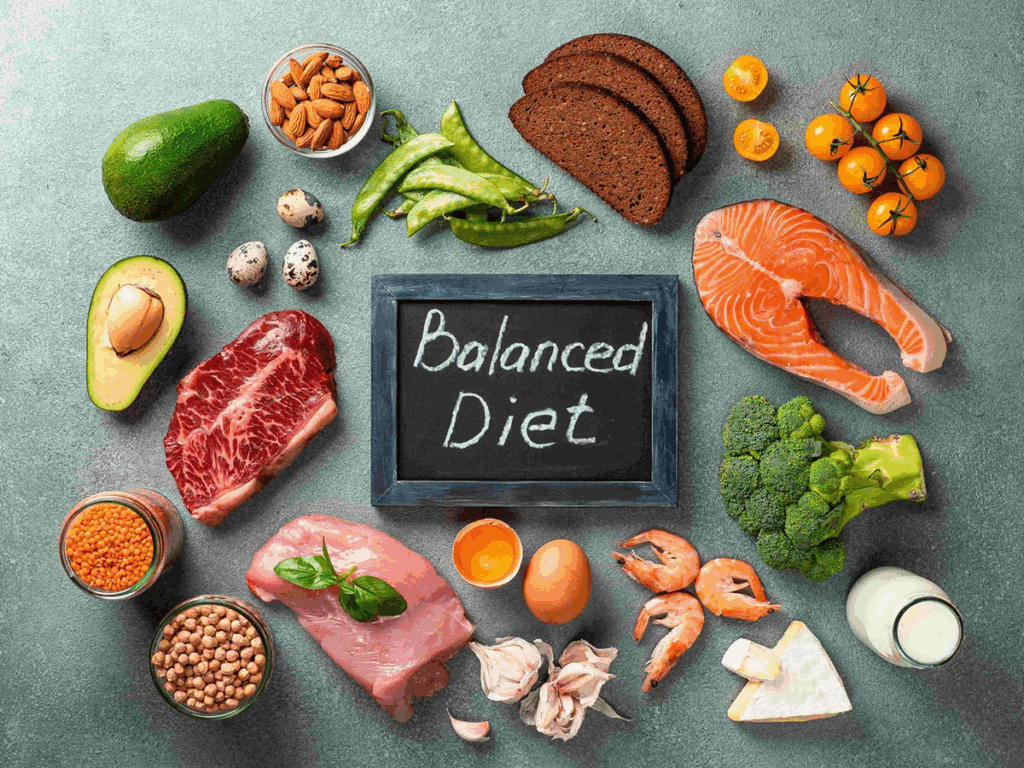
When it comes to healthy eating, the age-old debate often circles around one question: meat or vegetables? On one side, vegetables provide essential vitamins, minerals, and fiber. On the other, meat offers complete proteins, iron, and other nutrients that are harder to get from plants alone.
The truth is — you don’t have to pick one over the other. The best approach is. Combining meat and vegetables in your meals not only creates delicious variety but also ensures your body gets a well-rounded mix of nutrients.
At Blue Hill Halal Market, we know how important it is to create meals that are both flavorful and nourishing. That’s why we’ve put together this guide on how to strike the right balance between meat and vegetables in your diet.
Why Balance Matters
A diet that’s heavy on only one food group can leave you with nutrient gaps.
- Too much meat may lead to excess saturated fat and cholesterol intake.
- Too many vegetables without adequate protein may leave you feeling low on energy or missing out on key nutrients like iron or vitamin B12.
A well-balanced plate ensures:
- Sufficient protein for muscle and energy.
- Adequate fiber for digestion.
- Essential vitamins and minerals for immunity, bone health, and more.
- A satisfying mix of flavors and textures that make healthy eating enjoyable.
The Nutritional Role of Meat
Meat is often misunderstood as being “unhealthy,” but when consumed in moderation and chosen wisely, it’s incredibly valuable for the body.
Nutritional Benefits of Meat:
- Protein: Complete source containing all essential amino acids.
- Iron: Particularly heme iron (from red meats like beef and lamb), which is easier to absorb than plant-based iron.
- Vitamin B12: Crucial for brain health, energy, and blood formation.
- Zinc & Selenium: Support immunity and metabolism.
Health Tip: Opt for lean cuts and halal-certified meat to enjoy the benefits while minimizing excess fat.
The Nutritional Role of Vegetables
Vegetables are the backbone of a healthy diet. They bring nutrients to the plate that meat simply can’t provide.
Nutritional Benefits of Vegetables:
- Fiber: Keeps digestion smooth and prevents constipation.
- Vitamins & Antioxidants: From vitamin C to folate, veggies support immunity, skin, and overall health.
- Phytonutrients: Natural plant compounds that protect against diseases.
- Low in Calories: Helps maintain a healthy weight.
Health Tip: Aim for a colorful variety — “eat the rainbow” — because different colors provide different nutrients.
Building the Perfect Plate: Meat + Vegetables Together
So how do you actually put this balance into practice?
Here’s a simple approach recommended by nutrition experts:
- Half the plate: Vegetables (leafy greens, colorful veggies, cruciferous ones like broccoli, cauliflower).
- One-quarter: Meat or another protein source.
- One-quarter: Whole grains (like brown rice, quinoa, or whole wheat bread) for fiber and sustained energy.
This way, your body gets all macronutrients (protein, carbs, fats) along with plenty of vitamins and minerals.
Examples of Balanced Meals
- Grilled Chicken with Roasted Veggies
- Lean chicken breast for protein.
- A mix of roasted carrots, zucchini, and bell peppers.
- Side of brown rice or quinoa.
- Beef Stir-Fry with Broccoli
- Thinly sliced beef strips.
- Stir-fried with broccoli, bell peppers, and onions.
- Served over whole wheat noodles.
- Lamb Curry with Spinach
- Tender lamb cooked in spices.
- Fresh spinach stirred in for extra vitamins and iron.
- Served with whole-grain chapati.
- Fish Tacos with Cabbage Slaw
- Grilled or baked fish for omega-3s.
- Crunchy cabbage and carrot slaw for fiber and freshness.
- Whole wheat tortillas.
Tips for Balancing Meat and Vegetables in Daily Meals
- Go for Lean Cuts of Meat
- Choose skinless chicken, lean beef cuts, or fish to keep meals lighter.
- Double Up on Veggies
- If your recipe calls for one cup of veggies, add two. Extra flavor, extra fiber.
- Use Vegetables in Meat Dishes
- Add spinach to curries, zucchini to kebabs, or carrots to meat stews.
- Experiment with Cooking Styles
- Grilling, steaming, and stir-frying retain nutrients better than deep-frying.
- Portion Control is Key
- Think of meat as the “sidekick” and veggies as the “star” of your plate.
Cultural Inspiration: How Different Cuisines Balance Meat and Veggies
- Middle Eastern Cuisine: Kebabs served with tabbouleh or fattoush salad.
- South Asian Cuisine: Meat curries cooked with spinach, peas, or okra.
- Mediterranean Cuisine: Grilled fish with Greek salad and olive oil.
- East Asian Cuisine: Stir-fries that combine small amounts of meat with plenty of vegetables.
Looking at different food cultures can give you endless ideas for keeping your meals healthy and balanced.
Why Halal Meat Makes a Difference
At Blue Hill Halal Market, we emphasize halal-certified meats because halal standards go beyond faith — they also mean quality and hygiene. Pairing clean, halal-certified meat with fresh vegetables ensures meals are not only balanced but also wholesome and ethically sourced.
Balancing meat and vegetables in your diet isn’t about restriction — it’s about harmony. Meat gives your body the strength and energy it needs, while vegetables provide the vitamins, fiber, and antioxidants to keep you healthy long term.
By choosing a variety of halal-certified meats and pairing them with colorful, fresh vegetables, you can enjoy meals that are delicious, nourishing, and satisfying.
At Blue Hill Halal Market, we bring you both — premium halal meats and everyday grocery essentials — so your meals are always balanced and full of goodness.
👉 Shop fresh halal meats and groceries online today and create meals that nourish your family inside and out.