
HOW TO STORE MEAT PROPERLY FOR MAXIMUM FRESHNESS
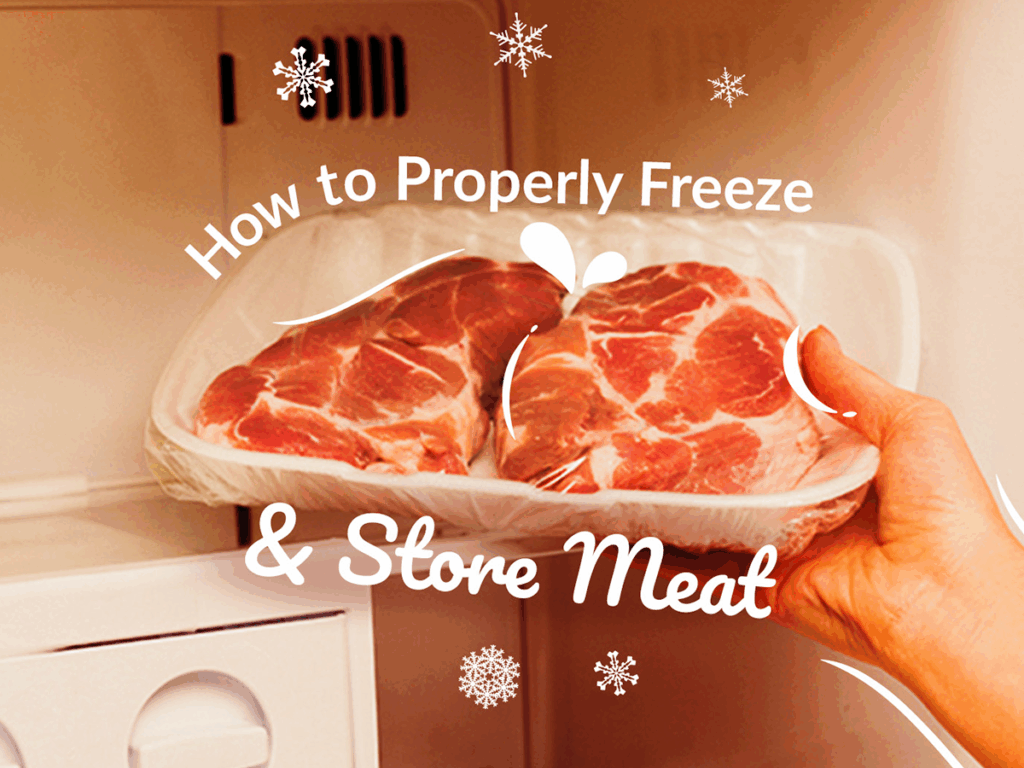
For many households, meat is a staple — it’s the centerpiece of curries, grills, roasts, and countless everyday meals. But meat is also one of the most perishable foods, and storing it incorrectly can lead to spoilage, foodborne illnesses, and wasted money.
At Blue Hill Halal Market, we not only focus on providing fresh halal-certified meats but also on helping families enjoy them safely. Knowing how to store meat properly is just as important as buying high-quality meat in the first place.
This guide will walk you through the best ways to store meat, whether fresh, frozen, or cooked, so you can keep it safe and delicious for longer.
Why Proper Meat Storage Matters
Meat is rich in protein and moisture — conditions that bacteria thrive in if the meat isn’t handled properly. Storing it the right way:
- Keeps it safe to eat.
- Maintains flavor and texture.
- Prevents nutrient loss.
- Reduces food waste and saves money.
1. Storing Fresh Meat in the Refrigerator
When you buy fresh meat, refrigeration is the first line of defense against spoilage.
Key Tips for Refrigerating Meat:
- Temperature Matters: Keep your fridge at or below 40°F (4°C).
- Use Within Days:
- Poultry (chicken/turkey): 1–2 days.
- Ground meat (beef, lamb, chicken): 1–2 days.
- Whole cuts (steaks, chops, roasts): 3–5 days.
- Store on the Lowest Shelf: Prevents juices from dripping onto other foods.
- Keep It Wrapped: Leave meat in its original packaging if you’ll use it soon. For longer storage in the fridge, rewrap in airtight containers or sealed bags.
Pro Tip: Always keep raw meat separate from ready-to-eat foods like fruits and vegetables.
2. Freezing Meat for Long-Term Storage
Freezing is the best way to preserve meat for weeks or even months.
Freezer Guidelines:
- Temperature: Keep freezer at 0°F (-18°C) or lower.
- Storage Times:
- Poultry: Up to 1 year (whole), 9 months (parts).
- Beef/lamb (steaks, roasts, chops): 6–12 months.
- Ground meat: 3–4 months.
- Cooked meat: 2–3 months.
- Packaging: Use freezer-safe bags, foil, or vacuum-sealed containers to prevent freezer burn.
- Label Everything: Note the date of freezing to track freshness.
Pro Tip: Freeze meat in meal-size portions so you only defrost what you need.
3. Defrosting Meat Safely
How you thaw meat matters just as much as how you freeze it.
Safe Methods to Thaw Meat:
- In the Refrigerator: Slow but safest. Place frozen meat in a dish to catch drips; thaw overnight.
- In Cold Water: Submerge sealed meat in cold water, changing water every 30 minutes.
- In the Microwave: Use defrost settings if you plan to cook immediately.
Never Thaw at Room Temperature. Leaving meat out on the counter allows bacteria to multiply quickly.
4. Storing Cooked Meat
Got leftovers? Cooked meat needs just as much care as raw meat.
Tips for Storing Cooked Meat:
- Cool leftovers within 2 hours of cooking.
- Store in airtight containers.
- Refrigerate for up to 3–4 days.
- Freeze for longer storage (2–3 months).
- Reheat thoroughly until piping hot before eating.
5. Handling Meat Safely Before Storage
Even before the meat hits your fridge or freezer, handling it properly keeps it safe.
- Wash Hands and Surfaces: Always wash hands before and after handling raw meat.
- Avoid Cross-Contamination: Use separate cutting boards for raw meat and vegetables.
- Keep It Cold While Shopping: If possible, shop for meat last so it stays chilled until you get home.
6. Signs Your Meat Has Gone Bad
Even with careful storage, sometimes meat goes off. Always trust your senses.
Warning Signs of Spoiled Meat:
- Slimy or sticky texture.
- Unpleasant, sour, or rancid smell.
- Grayish, green, or dull coloring.
- Excessive freezer burn (dry, whitish patches).
7. Special Notes on Different Meats
Chicken and Poultry:
- Highly perishable, use quickly.
- Never rinse raw chicken (spreads bacteria).
Beef and Lamb:
- Stays fresh slightly longer than poultry.
- Keep steaks and roasts tightly wrapped to preserve flavor.
Seafood:
- Extremely delicate. Refrigerate immediately and use within 1–2 days.
- Freeze fish in airtight packaging with minimal air to avoid freezer burn.
8. Organizing Your Meat Storage
A tidy fridge and freezer make all the difference:
- Store raw meat on the bottom shelf.
- Keep different meats in separate containers.
- Rotate stock — first in, first out. Use older packages before new ones.
Meat is one of the most delicious and nutritious foods you can cook with, but it requires care to stay safe and fresh. By following proper storage methods — from refrigeration and freezing to safe thawing and handling — you can make sure your family enjoys every meal with peace of mind.
At Blue Hill Halal Market, we provide only the freshest halal-certified meats, so you can focus on storing and cooking them the right way. When quality and freshness start at the source, your meals will always taste their best.
👉 Shop fresh halal meats online at Blue Hill Halal Market today and enjoy flavor and freshness with every bite.