HOW TO IDENTIFY TRULY HALAL MEAT: A SHOPPER’S GUIDE
For many families, halal isn’t just a label—it’s a way of life. But with so many products on the market, how do you make sure the meat you’re buying is truly halal? At Blue Hill Halal Market, we know how important trust and authenticity are when it comes to food. That’s why we’ve put together this simple guide to help you identify real halal meat every time you shop.
1. Check for Halal Certification
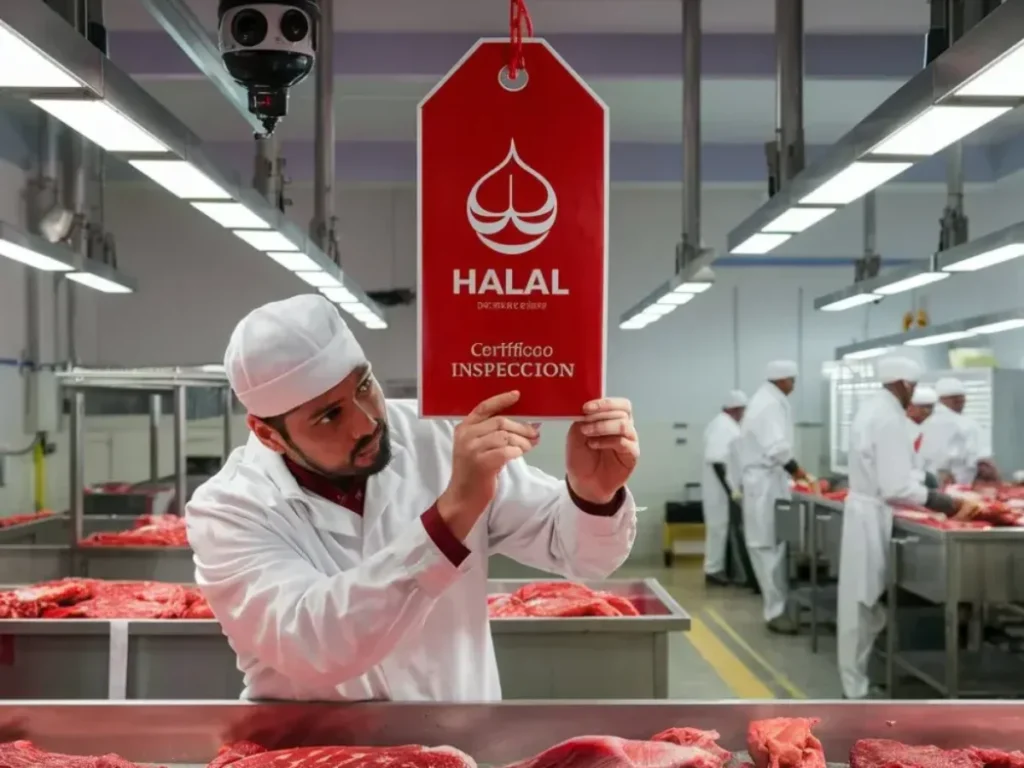
The first step is always to look for halal certification from a trusted authority. Certified halal meat comes with an official stamp or label that verifies the product was slaughtered and processed according to Islamic guidelines.
- Look for certification logos from recognized halal boards.
- Avoid products with vague labels like “halal-style” or “prepared in a halal way”—these are not the same as certified halal.
Tip: Always search for halal-certified meat near me or trusted halal butcher online to narrow down reliable options.
2. Understand the Slaughter Process
True halal meat follows a specific process known as Zabihah:
- The animal is healthy at the time of slaughter.
- A Muslim performs the slaughter while reciting the name of Allah (Bismillah, Allahu Akbar).
- The blood is fully drained from the veins.
If you’re shopping locally, don’t hesitate to ask your butcher about their process. A genuine halal seller will be open and transparent.
3. Look Beyond the Label: Supplier Transparency
Not all halal labels are created equal. A trustworthy supplier or market will be upfront about:
- Where the meat comes from.
- How the animals are raised.
- Which halal authority certifies their products.
At Blue Hill Halal Market, we share supplier details because we believe transparency builds trust.
4. Pay Attention to Quality and Freshness
Halal isn’t only about the method of slaughter—it’s also about the overall treatment of the animal and quality of the meat. Signs of truly fresh, halal meat include:
- Bright, natural color (not dull or gray).
- A clean, fresh smell (never sour or metallic).
- Firm texture without excess water or chemicals.
Buying from trusted halal markets or online halal stores helps ensure the meat is handled hygienically.
5. Shop from Trusted Halal Markets
The easiest way to avoid doubt is to buy from reliable sources that specialize in halal. Online halal markets like Blue Hill Halal Market focus entirely on halal-certified meats, so you never have to second-guess your purchase.
- You get beef, chicken, mutton, lamb, and seafood all 100% halal-certified.
- Hygienic packaging ensures freshness until it reaches your door.
- Convenient delivery saves you trips to multiple stores.
Identifying truly halal meat doesn’t have to be complicated. By checking for certification, understanding the process, and shopping from trusted markets, you can make sure your family enjoys food that’s both halal and high-quality.
At Blue Hill Halal Market, we’re proud to be your trusted source for fresh halal meats and groceries. With us, you don’t just shop—you shop with confidence.